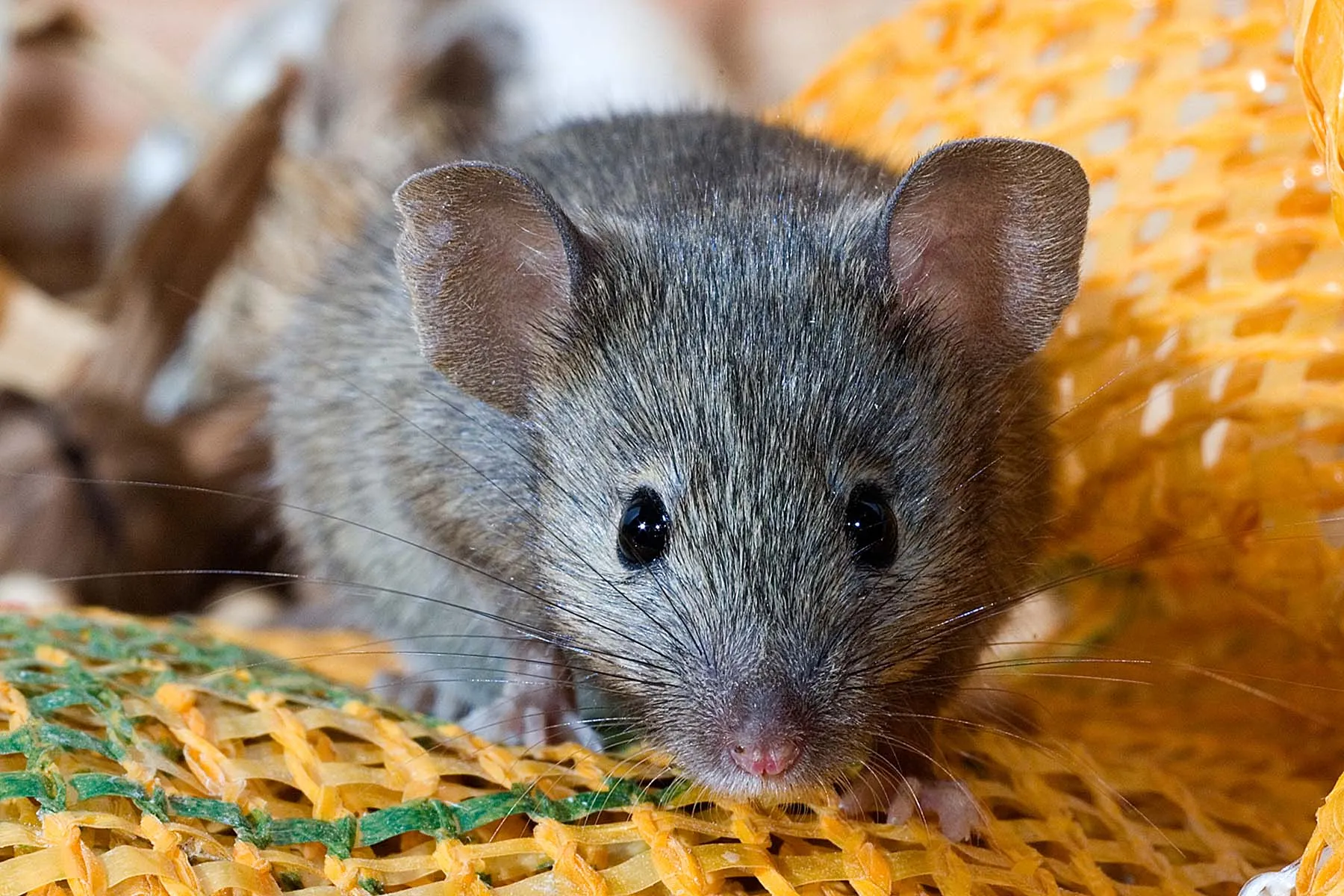
Welcome to Wildland Pest Control, your locally-owned solution for responsible and effective pest management. Based in Plymouth, Massachusetts, we are dedicated to protecting your home and family from unwanted pests while prioritizing the safety of our local environment, pets, and non-target wildlife.
Our approach is simple: use modern, targeted, and environmentally-conscious methods to solve your pest problems. We believe in integrated pest management (IPM), which means we don't just spray and pray. We inspect, identify, and create a custom plan that addresses the root of the problem.
Whether you're dealing with ticks in the yard, rodents in the attic, or stinging insects too close for comfort, we have the expertise to handle it. We specialize in solutions that are tough on pests but gentle on the ecosystem, including innovative options like rodent contraceptives and targeted trapping.
At Wildland Pest Control, we're not just a service; we're your neighbors. We are committed to providing transparent, honest, and reliable service to our community. Explore our services to learn more about how we can help you reclaim your home.
Licensed & Certified
Animals a licensed PAC agent may legally handle in Massachusetts:
Coyote Certified
MassWildlife coyote handling certification
Pest Certified
Massachusetts pesticide applicator
We offer a range of targeted, eco-friendly services to protect your home and property. All services are performed by a licensed and insured professional.
Strategic and safe use of rodenticides in tamper-proof stations to control mice and rat populations. We follow strict protocols to protect pets and non-target wildlife.
A modern, non-toxic approach to long-term rodent control. This bait controls populations by restricting fertility, leading to a sustainable and effective reduction in numbers without traditional poisons.
Targeted yard sprays focused on perimeter areas, leaf litter, and property borders to significantly reduce tick populations and protect your family and pets.
Targeted trapping to stop moles from tearing up your lawn. We locate active tunnels and place traps where moles travel, for an effective, chemical-free solution to mound and runway damage.
Humane trapping and removal for nuisance wildlife such as raccoons, skunks, squirrels, and other animals causing property damage or getting into attics, sheds, and crawl spaces.
A preventative barrier spray for your home's foundation. This service targets entry points to stop ants, spiders, and other crawling insects before they get inside.
Safe and environmentally-friendly trapping programs for wasps, hornets, and yellow jackets. We strategically place traps to capture queens in the spring and reduce nest-building activity all season.
Our rodent control programs are designed to be both effective and straightforward. All stations are placed on the exterior of the home to target rodents where they live and travel, stopping them before they get inside. Pricing is consistent regardless of the type of bait used (rodenticide or contraceptive).
A minimum of 4 stations is required for effective coverage of a standard home, for a total starting price of $276.
Each follow-up visit includes cleaning, maintaining, and refilling the bait stations to ensure the program remains effective.
We are proud to serve Plymouth, Massachusetts, and our neighbors in the surrounding towns. Our local focus allows us to provide prompt, reliable service.
Don't see your town listed? Give us a call! We may be able to service your area.
While many pest issues require a professional, here are a couple of effective DIY methods you can use to help protect your property. Disclaimer: Always use caution and follow all safety instructions when handling any pest control materials.
What they do: Tick tubes are a targeted, low-impact way to reduce the tick population in your yard. They don't spray pesticides; instead, they use mice as the delivery system. Mice build their nests with cotton, and when we provide cotton treated with a very mild insecticide (Permethrin), it kills the ticks on them without harming the mice. Since mice are the primary hosts for Lyme-carrying ticks, this breaks the tick life cycle.
Materials Needed:
Instructions:
What it does: This is a simple and effective homemade bait for sugar ants. Ants will take the bait back to the colony, feeding it to the queen and other ants, which helps eliminate the entire nest.
Materials Needed:
Instructions:
Several key things! Rats are much larger than mice. An adult rat is 5-10 times bigger than an adult mouse. Rat droppings are also much larger, about the size of a bean, while mouse droppings are small and pointed, like a grain of rice. Mice are curious, while rats are neophobic (afraid of new things), which makes them much harder to trap.
This is a very common problem! Rodents, especially rats, are neophobic (afraid of new things) and very smart. They can learn to avoid traps, recognize them as dangerous, or even learn to take the bait without setting off the trap. While traps might catch one or two, they are often not an effective long-term solution for an established population.
Not at all. While open trash can be an attractant, rats are often displaced from their normal homes. Nearby construction, landscaping, or even a neighbor's new shed can push a rat population to explore, and they can end up in your yard. Rats live in burrows in the ground and are excellent climbers, so cleanliness is often not the primary factor.
It's simple: Moles eat meat, Voles eat vegetation.
If you have grubs, you probably have moles. If your plants are disappearing, you probably have voles.
Tick activity peaks twice a year in Massachusetts. The first is in May and June (nymphal ticks) and the second is in September and October (adult ticks). We recommend treatments just before these peaks to have the greatest impact. However, ticks can be active any day the temperature is above freezing, so a year-round plan is the best protection.
Your pet's safety is our highest priority. All rodenticide is placed in locked, tamper-proof bait stations. These stations are designed so a pet or child cannot open them or access the bait inside. A small animal like a mouse or rat can enter, but a dog, cat, or raccoon cannot.
What about secondary poisoning? This is a common concern. Secondary poisoning (e.g., a hawk or a dog eating a poisoned rodent) is a risk with some types of rodenticides. We use products and strategies designed to minimize this risk. We can also prioritize non-toxic options like the contraceptive bait or trapping if you have major concerns.
It's a non-toxic bait that causes temporary infertility in both male and female rodents. It is not a sterilization—it simply prevents reproduction for as long as they consume the bait. This is an excellent, safe, and long-term strategy. Instead of just removing the current population (which new rodents will quickly replace), it stops the population from growing. It is safe for all non-target animals and has no risk of secondary poisoning.
Not by itself. Coyotes live throughout Massachusetts, including suburban neighborhoods. Seeing one pass through your yard or hearing them at night is usually normal wildlife activity. Concern rises when a coyote becomes habituated—comfortable around people, lingering on the property, approaching pets, or showing bold or aggressive behavior. MassWildlife's long-term fix is conflict prevention (remove attractants and haze), not simply removing every coyote that appears.
Start with the steps MassWildlife recommends for every homeowner:
If an immediate threat to human safety exists, call your local police or the Massachusetts Environmental Police at 1-800-632-8075.
Coyotes are regulated by MassWildlife. A licensed Problem Animal Control (PAC) agent may be hired to help when wildlife is damaging property or threatening people or pets. Under 321 CMR 2.14:
Wildland Pest Control is a Massachusetts PAC agent and is coyote certified, so we can legally advise, haze, and—when warranted—pursue removal under state rules.
When you hire us for a coyote complaint, we follow MassWildlife's framework—not a one-size-fits-all “trap and remove” approach:
Removing one coyote is often only a short-term fix if food and shelter remain; lasting results come from prevention plus professional follow-through.
Do not hire an unlicensed person, and do not attempt PAC-style control yourself. Problem coyote work in Massachusetts is limited to properly licensed PAC agents, and removal requires MassWildlife coyote certification plus the reporting duties above. Firearms use by agents also requires the appropriate hunting and gun licenses. If you believe a coyote is an immediate danger to people, contact local police or the Environmental Police rather than intervening on your own.
Transparency is important to us. Here you can find more information about product safety and view labels and Safety Data Sheets (SDS) for products we may use.
This tool estimates how many Contrac with Lumitrack bait blocks an animal would need to consume to reach a published LD50 (Lethal Dose, 50%) for bromadiolone, based on body weight. The LD50 is the dose estimated to be lethal to half of a tested population.
Product basis: Contrac with Lumitrack — 1 oz (28.35g) BLOX with 0.005% bromadiolone (~1.42 mg AI per block). Species LD50 values are published acute oral figures for the active ingredient (not the formulated bait LD50 from the SDS).
Disclaimer: This calculator is for informational and demonstrative purposes ONLY. It is a theoretical estimate based on product label AI content and published species LD50 values. Individual sensitivity varies, and veterinary sources often treat a fraction of the LD50 as concerning. It is NOT a substitute for professional veterinary advice. If you suspect your pet has ingested any poison, contact your veterinarian or the ASPCA Animal Poison Control Center (888-426-4435) immediately.
Click to view or download the Safety Data Sheets (SDS) for products we use.
Ready to solve your pest problem? Get in touch with us for a free consultation. We're here to help.
Fill out the form below and your email app will open with the message ready to send.